
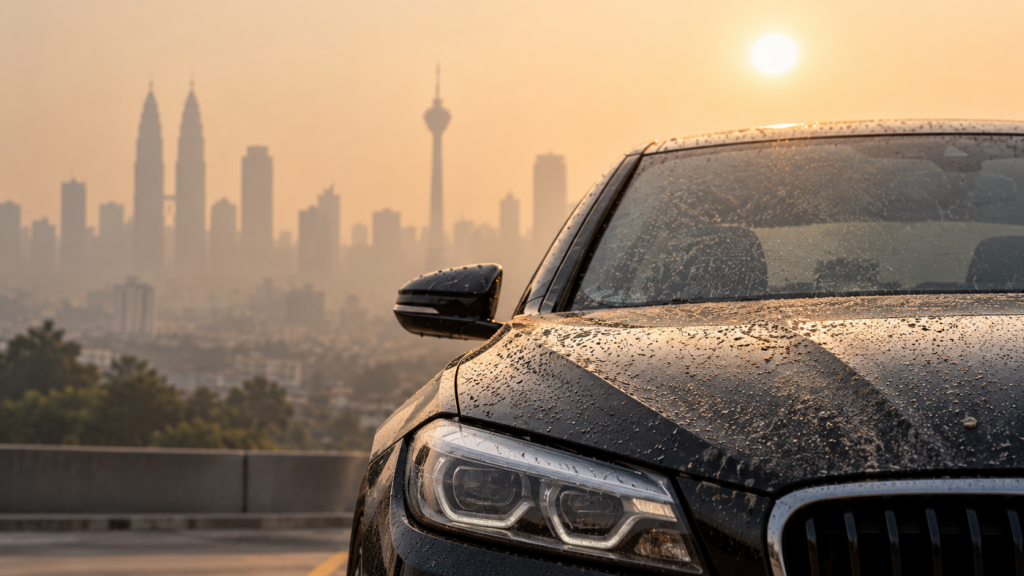
When the haze clears, most of us look at our cars and sigh. A fine layer of dust and ash coats the paint, the windscreen looks dull, and the interior feels stuffy. Knowing how to wash your car after haze matters, because the wrong method can scratch the paint instead of cleaning it. Here is what to know and which PG Perma Glass products can help.
Why Haze Is Tough on Your Car
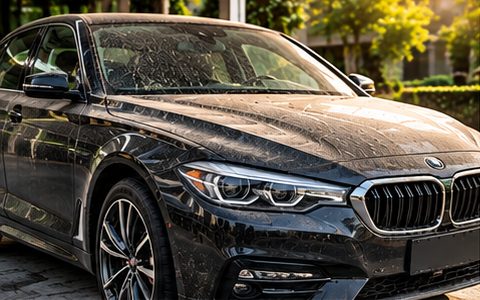
Haze leaves fine particles, soot, and ash on every surface. These particles are gritty, so rubbing them with a dry cloth drags them across the paint and can cause swirl marks. If rain follows, the dirty water can dry into spots on the paint and glass. Therefore, the safest approach is to loosen the dirt first and wipe it off gently.
What Not to Do
- Don’t dry wipe. A dusty cloth acts like sandpaper on your paint.
- Don’t wash under direct sun. Heat dries shampoo and water too quickly, which leaves marks.
- Don’t use household detergents. They can strip protection from the paint. Use a car shampoo instead.
- Don’t ignore the wipers. Dirty blades smear grit across the windscreen.
How to Wash Your Car After Haze
1. Park in the shade. A cool surface gives you more working time.
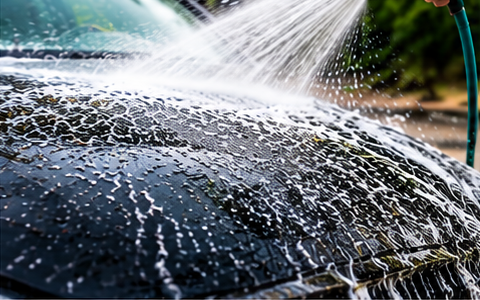
2. Rinse thoroughly first. Use plenty of water to float away loose dust and ash before touching the paint.
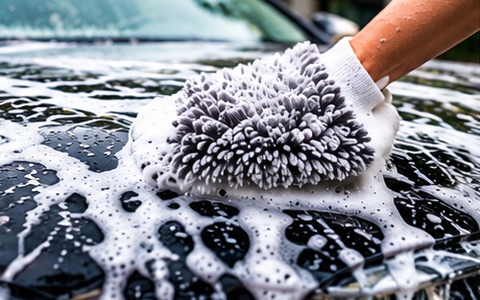
3. Wash with shampoo. Use a clean wash mitt and a pH-friendly car shampoo, working from the roof down.
4. Clean the wheels and lower panels last. They carry the heaviest dirt.
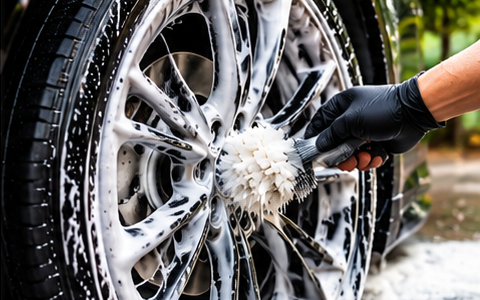
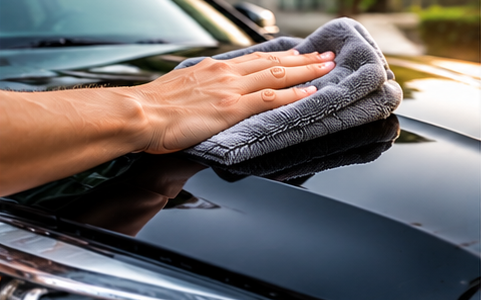
5. Rinse well and dry. Use a clean microfibre towel to prevent water spots.
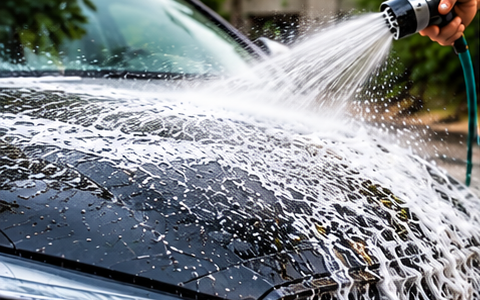
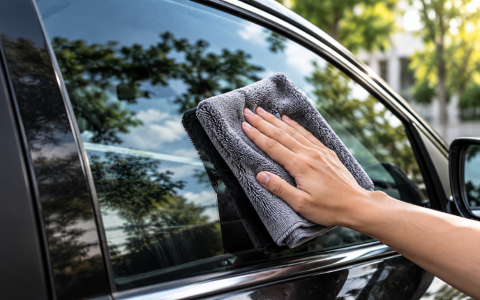
6. Clean the glass. Remove haze film from the windscreen and windows for better visibility.
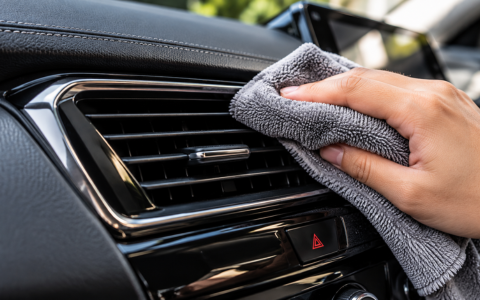
7. Refresh the interior. Wipe down surfaces and clean the seats and carpets, since dust enters through vents and door gaps.
8. Protect the paint. A fresh layer of wax or sealant makes the next wash easier.
PG Perma Glass Products That Help
Different jobs call for different products. Here is a simple guide:
- PG Polymer Wash & Wax: Ideal for step 3. It cleans the paint and leaves a layer of protection in one wash.
- PG Waterless Wash & Shine (500ml): Useful for light dust between full washes, or when water is limited. Spray, wipe, and buff without a hose.
- PG Water Spot Remover (250ml): Helps dissolve mineral deposits and water stains on glass, which is handy when rain follows haze and leaves spots behind.
- PG Fabric Cleaner (500ml): Refreshes seats, carpets, and door panels, lifting dirt and removing odours with no rinsing needed.
- PG Nano Sealant: Adds a protective layer after washing, which helps contamination wash off more easily next time.
Tips for Next Time
- Check your cabin air filter. Haze can clog it, so replacing it on schedule helps keep the air inside fresher.
- Wash sooner rather than later. The longer dust sits on the paint, the harder it is to remove.
- Keep protection up to date. Waxed or sealed paint is easier to clean after haze.
- Keep a waterless spray in the car. It lets you deal with light dust quickly.
Final Thoughts
To wash your car after haze properly, remember one rule: rinse first, never dry wipe. Then wash gently, clean the glass and interior, and finish with protection. With the right PG Perma Glass products, your car can look fresh again with very little effort.
FAQ
Can I wash my car right after the haze clears? Yes. In fact, washing sooner is better because dust and ash are easier to remove before they bake onto the paint.
Is it safe to wipe haze dust with a dry cloth? No. Dry wiping drags gritty particles across the paint and can cause fine scratches.
How often should I wash my car during hazy weeks? Wash whenever you see a visible layer of dust. A waterless spray can handle light dust between full washes.
Does wax help during haze season? Wax or sealant adds a protective layer, so dirt sits on top of it instead of the paint and rinses off more easily.
